


Understand the Correlation Between Limiting Oxygen Index and Flame‑Retardant Ratings at a Glance — Decoding UL94 Flame‑Retardant Classifications
Understand the Correlation Between Limiting Oxygen Index and Flame‑Retardant Ratings at a Glance — Decoding UL94 Flame‑Retardant Classifications
The Limiting Oxygen Index (LOI, also referred to as Oxygen Index, OI) is defined as the minimum oxygen concentration, expressed as volume percentage of oxygen, required for a material to sustain flaming combustion in an oxygen‑nitrogen mixed gas flow under specified test conditions.
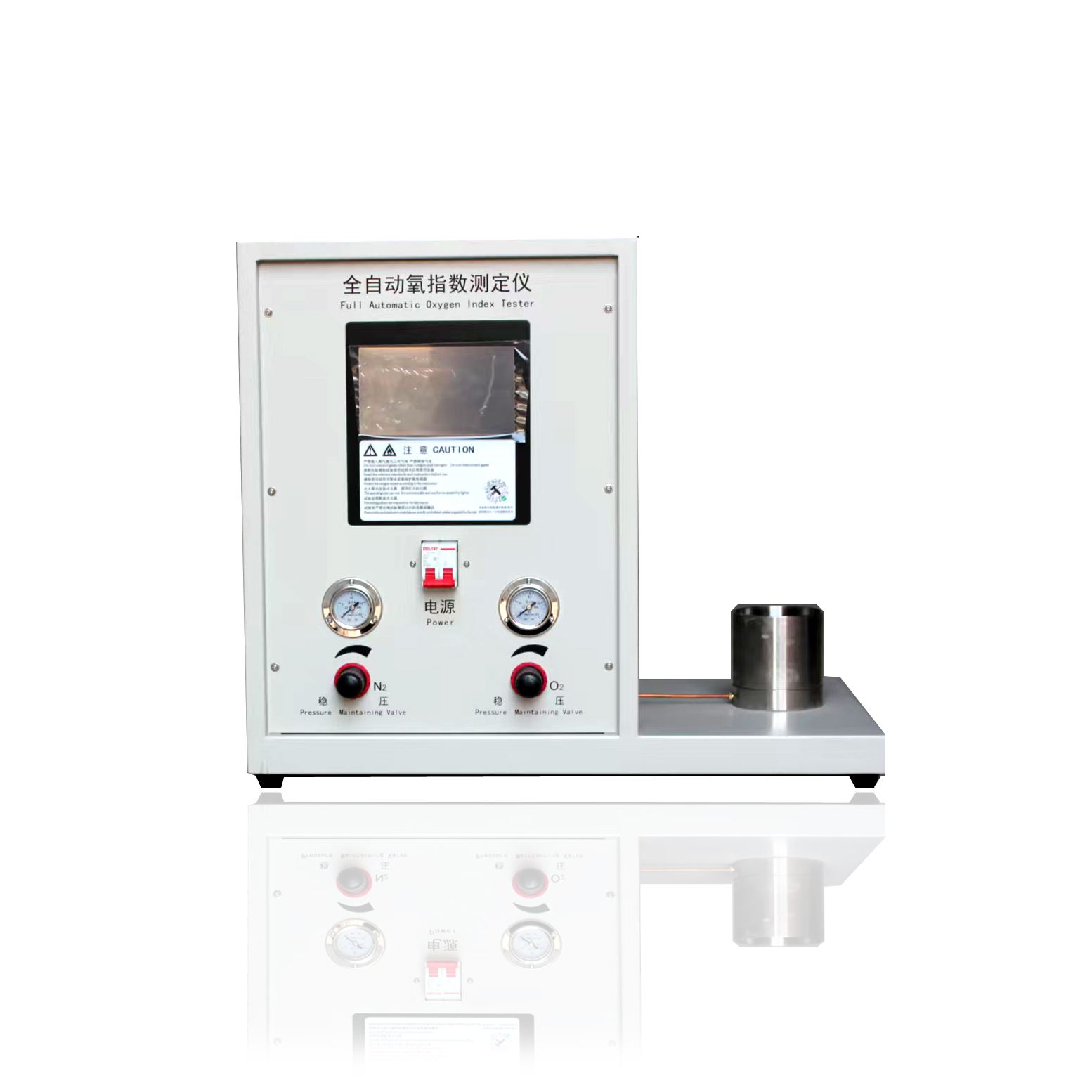
The oxygen index represents the oxygen concentration required for a material to reach its ignition point. Generally, the higher the oxygen index, the higher the oxygen concentration needed for ignition, meaning the material is more difficult to ignite. Conversely, a low oxygen index means the material can reach its ignition point at low oxygen concentrations and ignites readily. Common classification criteria: materials with LOI below 21 are regarded as flammable; those with LOI from 21 to 27 are slow‑burning materials; materials with LOI above 28 are classified as flame‑retardant materials.
The UL94 flame‑retardant rating evaluates a material’s ability to self‑extinguish after ignition. Assessment is carried out based on multiple indicators including burning rate, burn duration, drip resistance, and whether burning droplets occur. One material may yield different test results depending on specimen colour and thickness. When selecting materials for a product, the UL94 rating shall correspond to the wall thickness of plastic components. The UL94 rating must always be reported together with specimen thickness; reporting only the rating without thickness data is incomplete. UL94 ratings rank in ascending flame‑retardant performance: HB, V‑2, V‑1 and V‑0. A higher rating indicates greater resistance to ignition.
Both parameters characterise material flame‑retardant performance, but is there a direct correlation between them?
As a general rule, a higher LOI corresponds to better flame retardancy, yet this correlation is not absolute. For most materials, an LOI above 30 can achieve V‑0 rating at 1.6 mm thickness — except for materials relying on drip‑based flame retardancy.
Numerous laboratory tests have demonstrated that LOI and UL94 ratings cannot be simply described as positively or negatively correlated. For certain polymer materials, no consistent relationship exists between UL94 classification and limiting oxygen index.
In fact, there is no inherent causal link between LOI and UL94 ratings. They represent two independent test methods for evaluating flame‑retardant performance. No fixed conversion exists such as “UL94 V‑0 / V‑1 / V‑2 equals a specific LOI value”. Some materials with LOI as high as 36 fail to meet any UL94 classification; meanwhile, certain V‑0 rated materials do not possess high LOI values. From the perspective of test procedure: in LOI testing, flame propagates downward along the specimen, whereas UL94 vertical burning test features upward flame spread.
Furthermore, some materials achieve flame retardancy via molten dripping that dissipates heat; such drip‑dependent materials usually exhibit relatively low LOI values. In view of real‑world fire scenarios, the UL94 vertical burning test better simulates actual fire conditions and delivers more credible results compared with the LOI test. This explains why UL94 is widely adopted as the flame‑retardant certification standard for commercial products.