


Automatic Oxygen Index Tester Routine Maintenance and Troubleshooting Guide
Automatic Oxygen Index Tester Routine Maintenance and Troubleshooting Guide
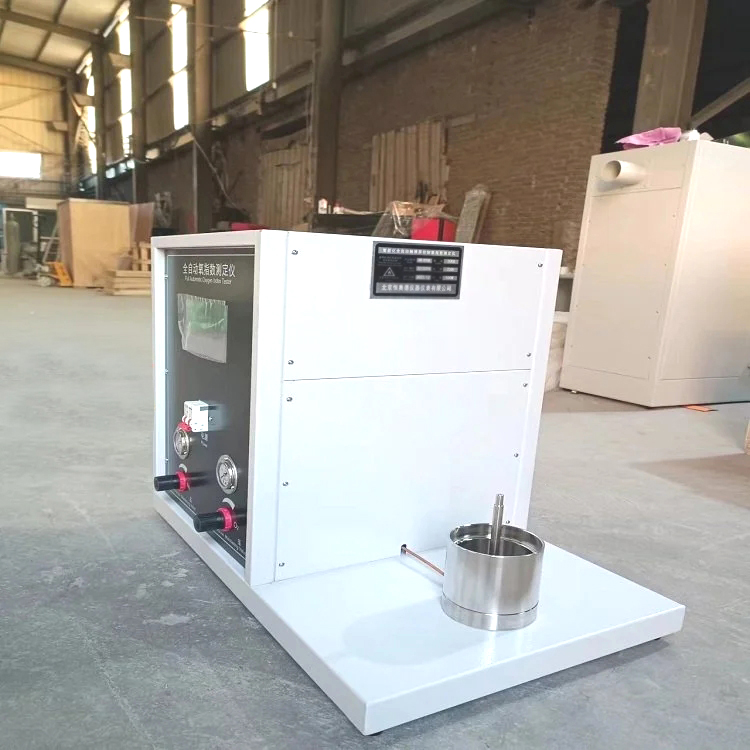
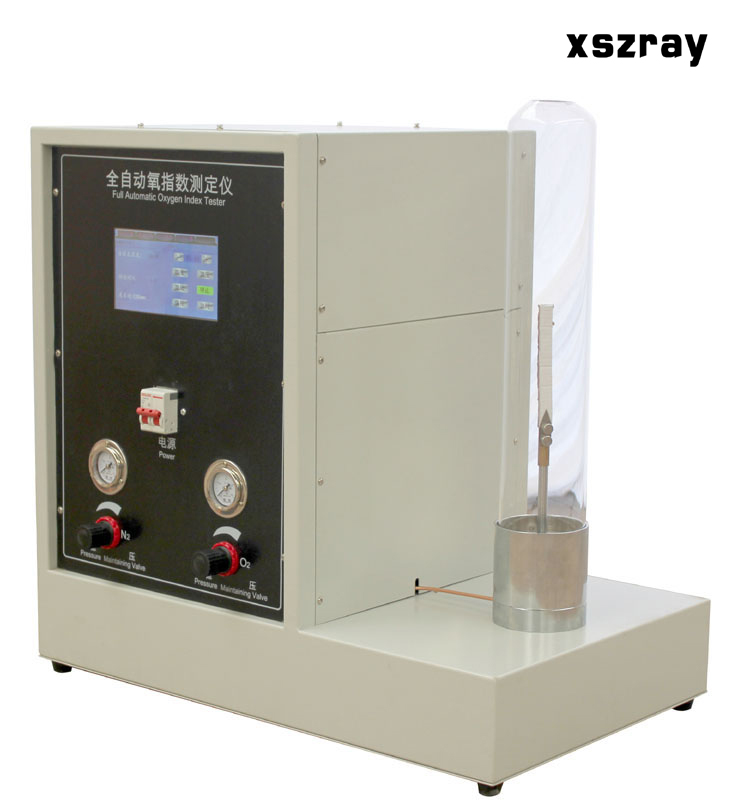
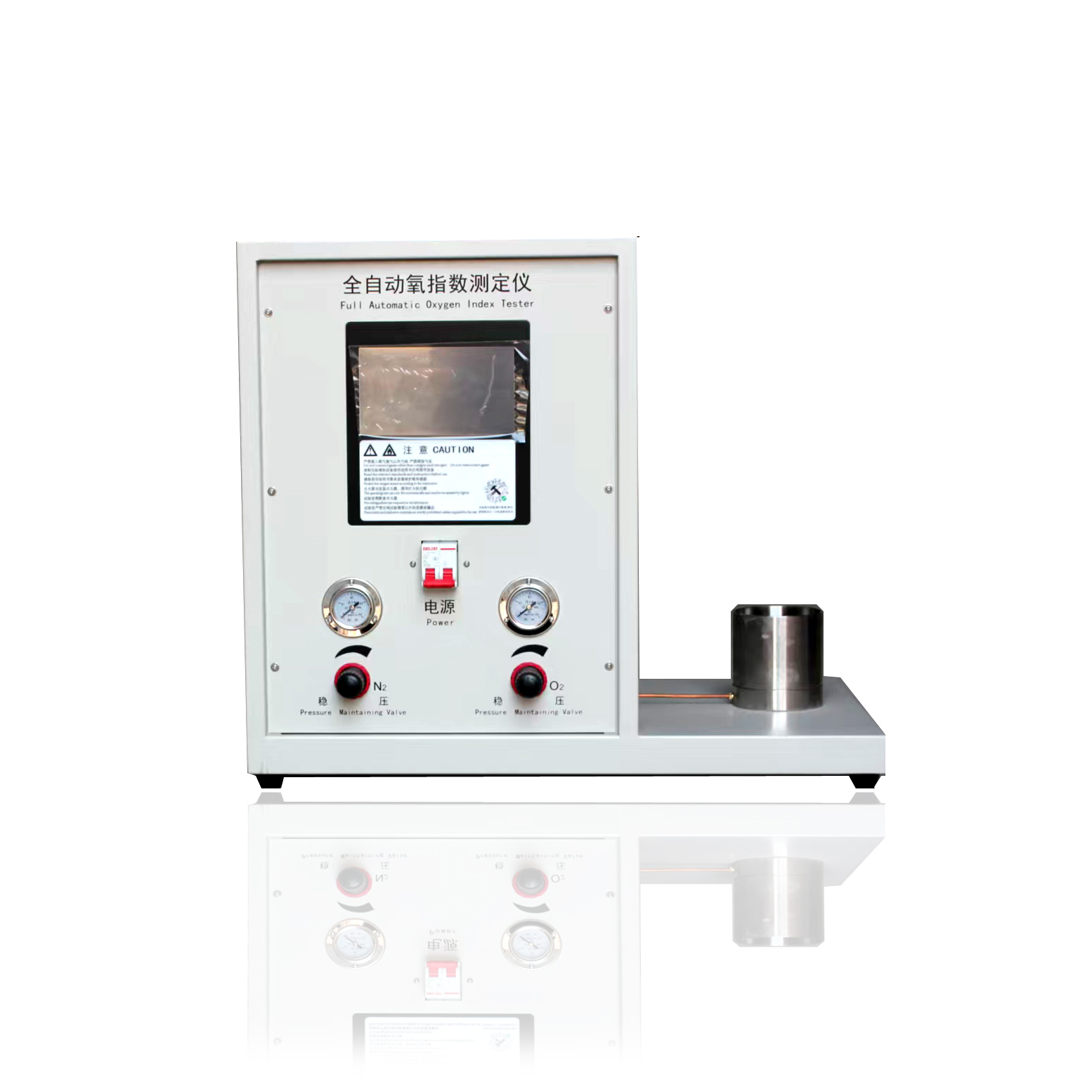
The automatic oxygen index tester integrates precision sensors, intelligent gas‑control and electronic control systems. Equipped with numerous sophisticated components, it requires standardized routine maintenance and timely troubleshooting during operation. These measures ensure accurate and stable equipment performance, extend service life, and consistently produce compliant and reliable test data to meet long‑term high‑frequency testing requirements.
Basic routine maintenance shall be performed on a regular basis. Upon completion of each test, promptly remove combustion residues and dust inside the combustion cylinder, and wipe the transparent cylinder body to maintain clear visibility and internal cleanliness. Prevent residue accumulation from interfering with subsequent combustion tests. Regularly inspect the tightness of gas pipelines and connectors to detect gas leakage or blockage and guarantee stable gas delivery. Calibrate the oxygen concentration sensor and flow‑detection module every month to correct measurement deviations and ensure precise gas mixing. Place the instrument in a dry, dust‑free and constant‑temperature laboratory environment to protect precision components from moisture and dust corrosion. Clean the heat‑dissipation air ducts periodically for stable operation of the electronic control system.
Common faults can be diagnosed and resolved in a targeted manner:
Unstable and drifting oxygen concentration: Usually caused by sensor contamination, gas‑circuit leakage or insufficient gas‑source pressure. Clean and calibrate the sensor, inspect gas circuits, and stabilize gas‑source pressure.
Ignition failure and abnormal sample combustion: Generally attributed to faulty ignition assembly, gas‑mixing deviation or insecure sample clamping. Repair the ignition module and re‑calibrate the gas‑mixing system.
Poor data repeatability: Mainly resulting from residual contaminants inside the cylinder, ambient air‑flow interference or non‑standard sample pretreatment. Clean the equipment, isolate the test environment and standardize sample preparation.
Program error alerts: Mostly triggered by abnormal system parameters or poor circuit contact. Restart and calibrate the system, and check electrical connections.
Standardized maintenance and troubleshooting can effectively reduce equipment failure rates.